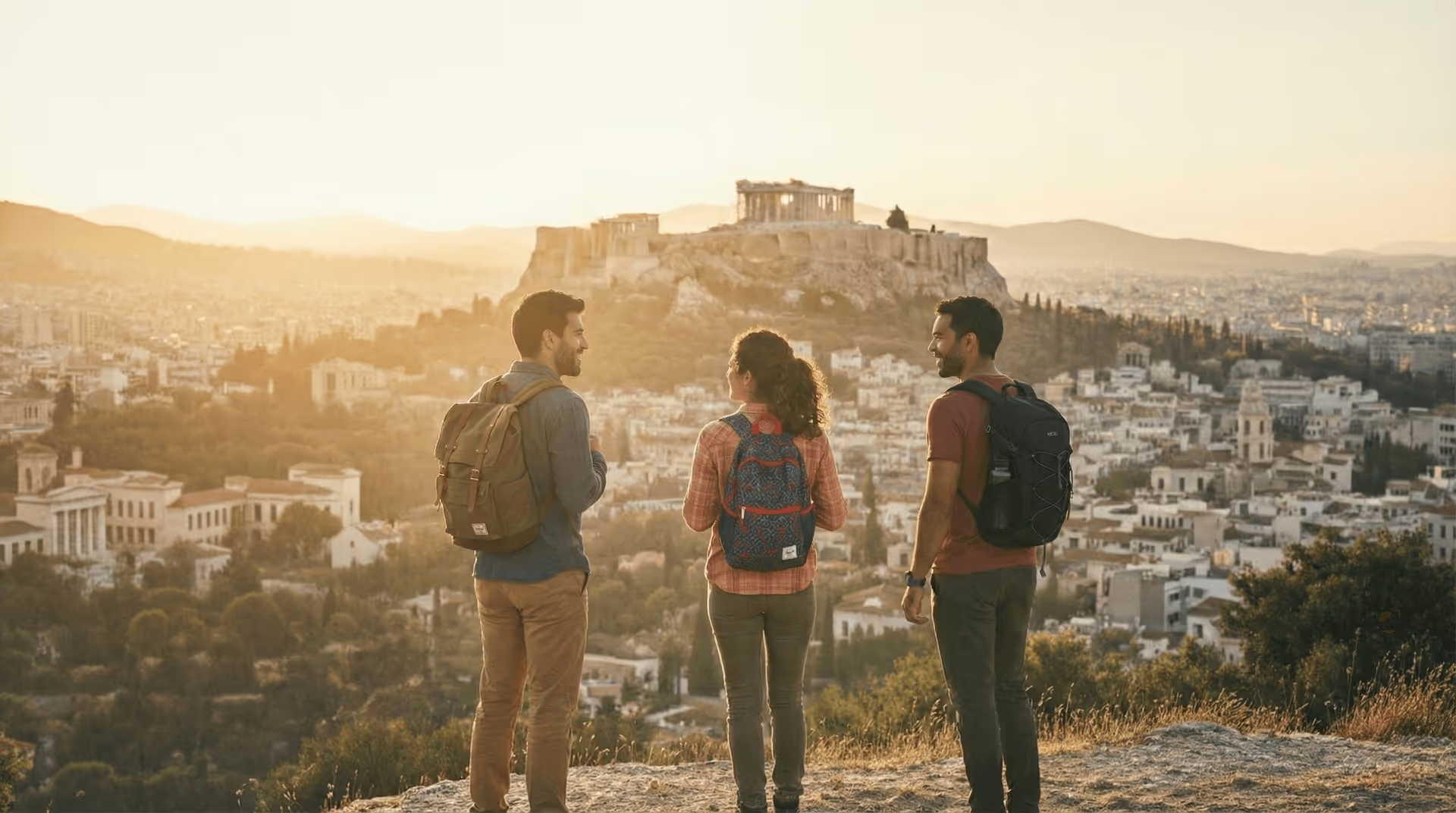
City walking experience
Athens City Tour Conquer Lycabettus Hill
We take the most rugged yet scenic route to the top. The hike is hard work, but the rewards that await are the most spectacular 360-degree views from the highest point in the city.
Morning & afternoon
Time of day
1.5
Hours
4.4km
Distance
220m
Elevation
7,000
Steps
Max 10
Group size
English
Language
What to Expect
This Athens city tour takes you to the top of Lycabettus Hill, the tallest point in Athens, via the most scenic and challenging route. Led by George, your Athens tour leader with 16 years experience, you will follow the real trail that locals use — not the tourist path, not the funicular.
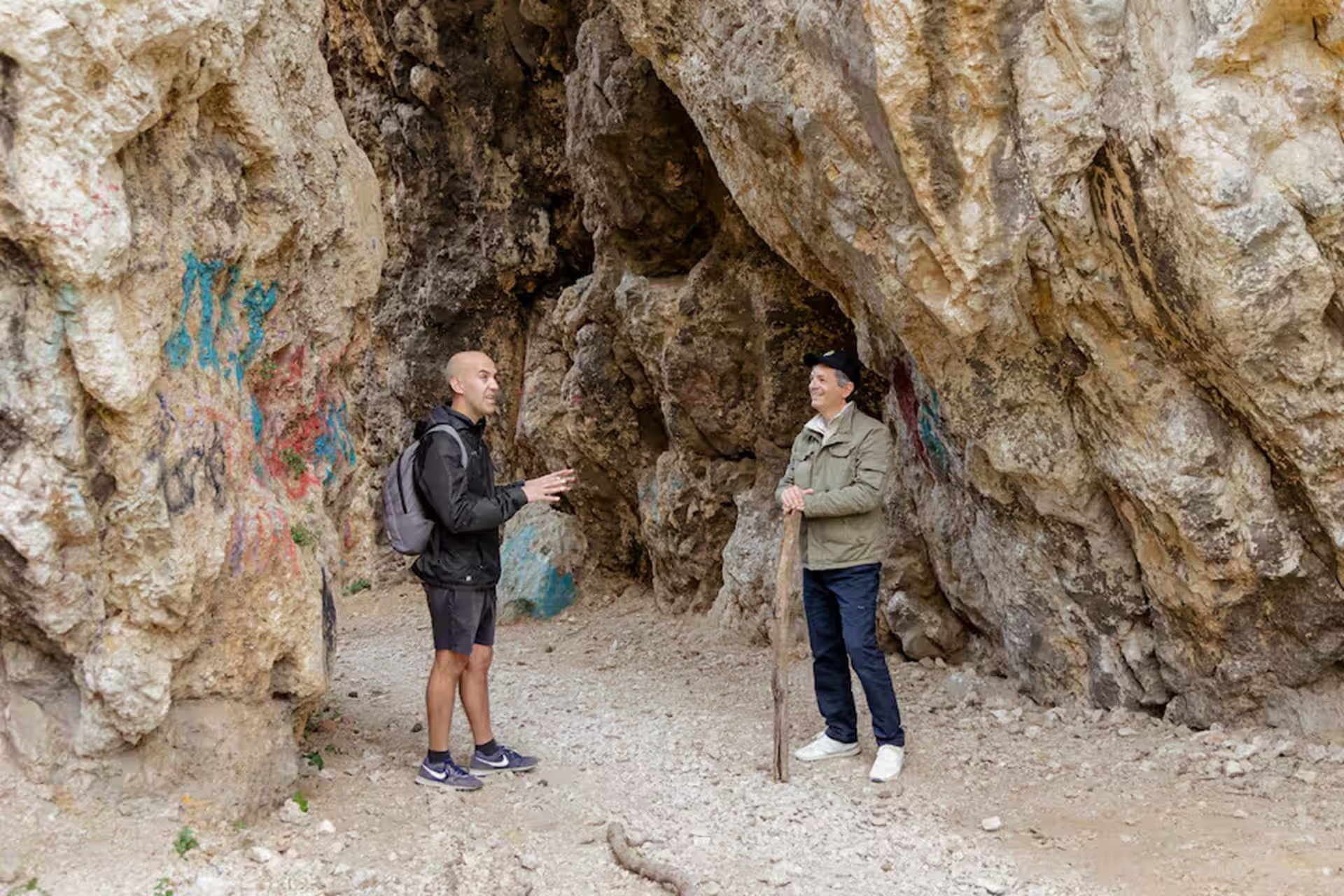
Along the way, you will discover the remarkable Split Rock formation, a spot where Athenian rock climbers come to practise that most visitors never know about. At the summit, 360-degree views stretch from the Acropolis to the Aegean Sea in every direction. (For more about what makes this hill special, see our Athens fun facts and unique things to do guides.)
On the descent, George takes you to a hidden lookout, a secret "balcony" that offers what many consider the best view of the Acropolis in all of Athens. It is the kind of off-the-beaten-path spot that does not appear in any guidebook.
About Lycabettus Hill
Standing at 277 metres above sea level, Lycabettus Hill is the dominant landmark of the Athens city tour skyline. It is a massive chunk of Cretaceous limestone that has been watching over the city for millions of years. Greek mythology says the goddess Athena dropped it while carrying it to fortify the Acropolis, startled by a crow bearing bad news. She let it fall. The geological reality is less dramatic but equally impressive.
From the summit you can see three mountain ranges: Mount Ymittos to the east, where the marble for the Parthenon was quarried; Mount Penteli to the northeast, still showing white quarry scars on its slopes; and Mount Parnitha to the north, often dusted with snow in winter. Turn south and the Saronic Gulf stretches out past Piraeus, with the islands of Aegina, Agistri, and Salamina clearly visible. On a truly clear morning, the hazy outline of the Peloponnese appears on the horizon.
At the very top sits the whitewashed Chapel of Agios Georgios (St. George), built in the 19th century on Byzantine foundations. It is a surprisingly peaceful spot given the panorama just outside its doors. Weddings are held here, and the chapel celebrates the feast of St. George on 23 April each year with a special liturgy that draws crowds of worshippers up the hill.
Most visitors take the funicular or the easy paved path from Kolonaki. George's route takes you the other way entirely, through wild terrain that reveals a completely different side of the hill. It is what sets our walking tours in Athens apart: the difference between seeing a postcard and stepping inside it.
What Most Tourists Miss on Lycabettus
The vast majority of people who visit Lycabettus take the funicular up, spend fifteen minutes at the summit, snap a few photos, and take the funicular back down. They see the view but they miss the hill entirely. The trails, the rock formations, the wildlife, the hidden viewpoints, all of it is bypassed.
I've been walking this hill for over 16 years and I'm still noticing new things. The way afternoon light hits a particular rock face. A patch of wild thyme growing in a crack that fills the air with scent when you brush against it. Last spring I found a nesting spot I'd never noticed — 500-odd hikes up this hill and there's still more to see.
The hidden balcony on the descent is the perfect example. A small rocky platform, completely unmarked, that frames the Acropolis through pine branches with the city falling away on either side. It's arguably the most unique view of the Acropolis in Athens and one of the best photo spots in Athens. I've taken thousands of people there and the response is always the same: silence first, then cameras out. That reaction never gets old.
Best Time of Day and Year for This Tour
Morning Sessions
The cooler air makes the climb more comfortable, and the morning light is ideal for photography at the summit. In summer, a morning start means you finish before the worst of the heat. The city below has a fresh, quiet quality in the early hours that disappears by midday.
Afternoon Sessions
Late afternoon tours catch the golden hour light hitting the Acropolis. The descent can be timed so you reach the hidden balcony as the light softens. In spring and autumn, afternoon sessions are particularly good, warm enough to be pleasant, cool enough to enjoy the climb.
Best months: March through June and September through November. The temperatures are comfortable for hiking, the skies are usually clear, and the tourist crowds are thinner than the July-August peak. Winter is surprisingly good too. The air is crisp, the views are sharp, and you will have the trails almost entirely to yourself.
If you want the sunrise version of this experience, check out the Sunrise Hike. Same hill, completely different experience. Want to see the summit views and read more about what awaits? Our full Lycabettus Hill Athens guide covers everything from hiking routes to the funicular to the Orizontes restaurant at the top.
Difficulty Level and Accessibility
This Athens city tour is rated moderate difficulty. The route covers 4.4km with 220m of elevation gain over approximately 7,000 steps. The terrain is uneven: loose gravel, rocky outcrops, and some sections where you will need to watch your footing. It is not a paved stroll, and that is exactly what makes it rewarding.
You do not need to be an athlete, but you should be comfortable walking uphill for sustained periods. If you regularly walk, hike, or are generally active, you will handle it well. George sets a pace that works for the group and builds in natural stops at viewpoints along the way.
For those who want more of a challenge, the Ultimate Hills Climb adds Philopappos Hill as a second peak and covers 4.4km more ground. If you are not sure which tour is right for you, start with this one, it gives you the full Lycabettus experience in a manageable timeframe. Bring water — Athens tap water is safe to drink, so fill a bottle at your hotel.
Not suitable for
Wheelchairs, strollers, or anyone with significant mobility limitations. The trail includes steep, uneven ground and some light scrambling in places. If you are unsure, message George before booking.he is always happy to chat about whether this tour is right for you.
Your Itinerary
Ice-breaker and start of the hike
The city abruptly meets nature as we begin our hike up the hill.
Unique rock formation
Along the way we arrive at the unique 'Split Rock' formation, one of Athens' true hidden gems where local rock climbers come to practise.
Reach the summit
Rising high above the city, we start to get a more complete view as we arrive at the top of Lycabettus.
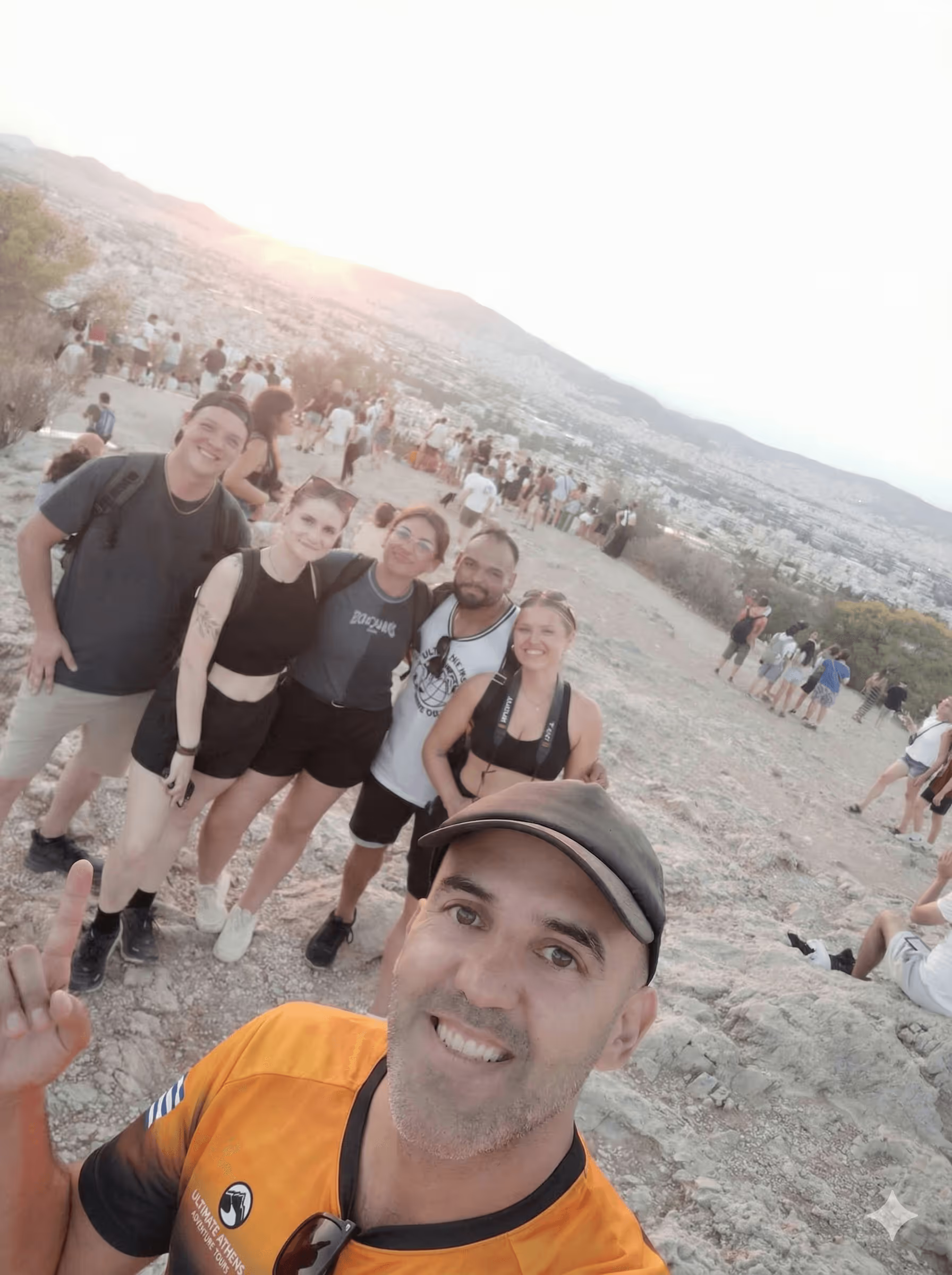
Savour the view and photos
Enjoying the unlimited 360 views of the city and Aegean Sea.
Unique photo stop
The hidden 'balcony' on our way down offers the most unique Acropolis view, a perspective most visitors never find.
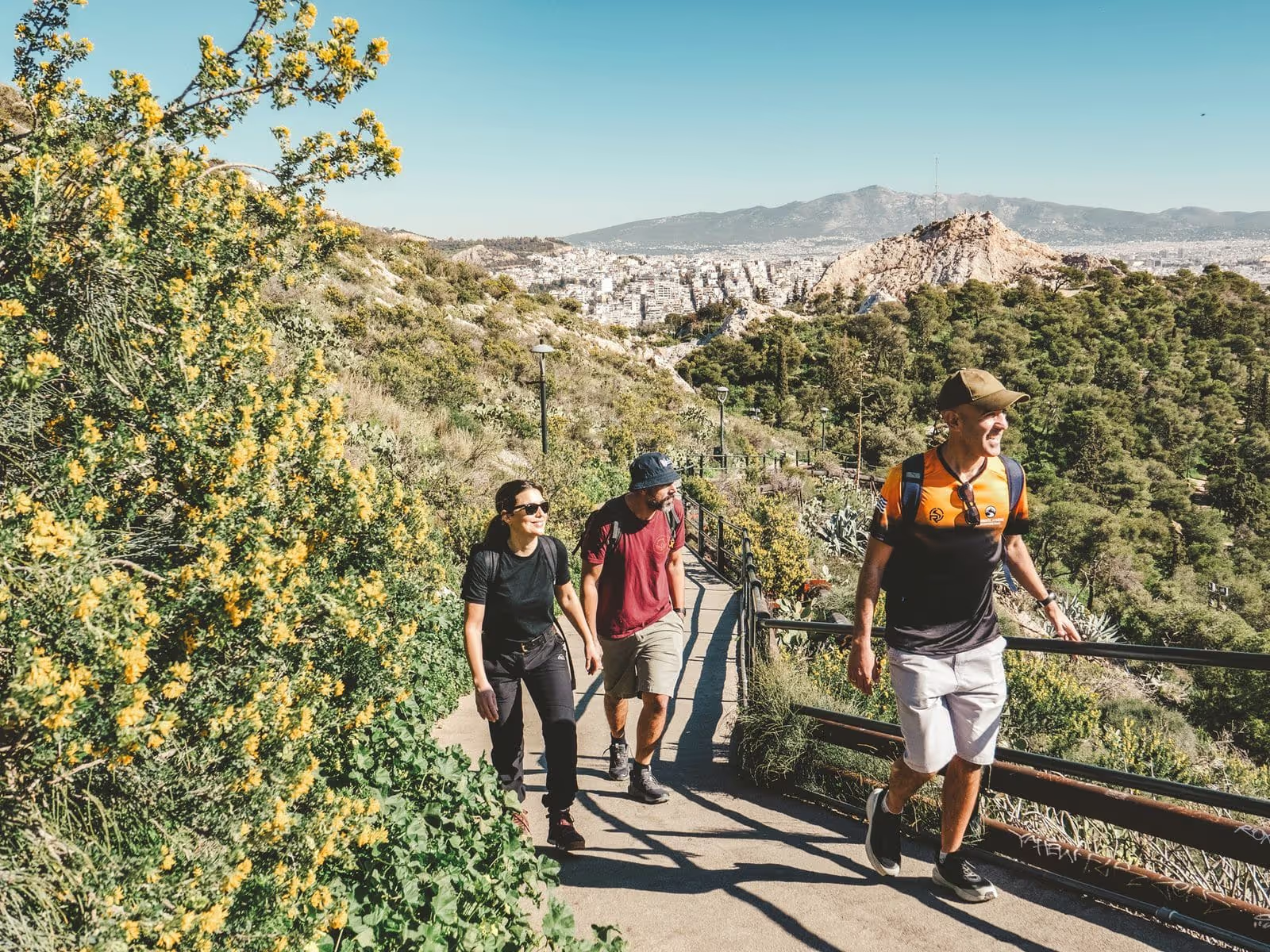
Mission complete
We descend the final part of the hill and arrive back where we began.
What to Bring
Meeting Point
Vallianeio Megaron
Panepistimiou 32, Athens 106 79, Greece
The middle building of the three Athens Trilogy neoclassical buildings. 2-minute walk from Panepistimio Metro Station (Red Line), use the exit labelled National Library.
George arrives 10 minutes early. Look for the Ultimate Athens orange branded shirt.
Start and end point: Vallianeio Megaron
Questions About This Tour
How difficult is the Lycabettus climb?
What time does this tour run?
Is this tour different from the Sunrise Hike?
What should I bring?
Where do we meet?
Can I do this tour if I have knee problems?
Is there shade on the route?
Explore More Experiences
Want a different challenge? Check out our other tours. Or read what past walkers say about their experience. Finished early? Browse George's picks for where to eat in Athens.
Ready to Conquer Lycabettus?
The summit is waiting. Small groups, hidden trails, and 360-degree views that are earned, not given.