
The ultimate experience
The Best Thing To Do in Athens Greece
Trek some of the tallest peaks, savouring 360-degree views of the city and nature. Two hills. One unforgettable experience.
Morning & afternoon
Time of day
2.5
Hours
7.5km
Distance
300m
Elevation
12,000
Steps
2
Hills
Max 10
Group size
EN / GR
Languages
What to Expect
If you're looking for things to do in Athens Greece that go beyond the tourist checklist, this is it. Led by George, your Athens tour leader with 16 years experience, this is the walk that earns you the right to say you have truly seen Athens. Two hills, two very different landscapes, and views that will stay with you long after you leave Greece.
You will start by conquering Lycabettus Hill via hidden trails, passing the remarkable Split Rock formation and reaching the highest point in Athens for 360-degree panoramic views. Then, after descending through a completely different side of the city, you will climb Philopappos Hill for stunning Acropolis views and a gentler, greener perspective.
The tour finishes at the Acropolis Museum, leaving you perfectly positioned to continue exploring the historic centre. This is a serious walk, and good fitness is essential, but the rewards are extraordinary. Bring plenty of water.Athens tap water is safe to drink, so fill up a reusable bottle before you go.
Fitness note
A lot of uphill walking. Good fitness is essential. If you are unsure, consider the shorter Conquer Lycabettus tour first.
Two Hills, Two Completely Different Worlds
What makes this tour special is not just the distance or the elevation. It is the contrast. Lycabettus Hill and Philopappos Hill are both within the city of Athens, both offer extraordinary views, and both deserve to be on any list of unique things to do in Athens. But the experience of climbing each one is entirely different.
Lycabettus is the raw one. 277 metres, the highest point in the city. My route takes you up the rugged western face through pine forest and exposed rock — steep, physical, and genuinely wild for a hill surrounded by four million people. Views build as you climb. By the summit you can see three mountain ranges, the Saronic Gulf islands, and on a clear morning, the Peloponnese.
Philopappos is different in every way. Lower, greener, ancient. It sits directly across from the Acropolis and gives you a face-to-face view of the Parthenon that most people say is the best they've seen. Ancient olive trees on the slopes. The Pnyx — where democracy was born — right next door. Contemplative where Lycabettus was adrenaline.
That contrast is the whole point. High and low. Wild and civilised. Panoramic and intimate. Together, the two hills give you Athens from every angle. It's why people who do this walking experience consistently say it was the highlight of their trip.
Hill 1: Lycabettus Athens' Tallest Peak
The first half is all Lycabettus. I take the adventurous route — not the paved tourist path, not the funicular — starting from a direction most visitors never approach from. Within minutes the city noise drops away and the trail takes over.
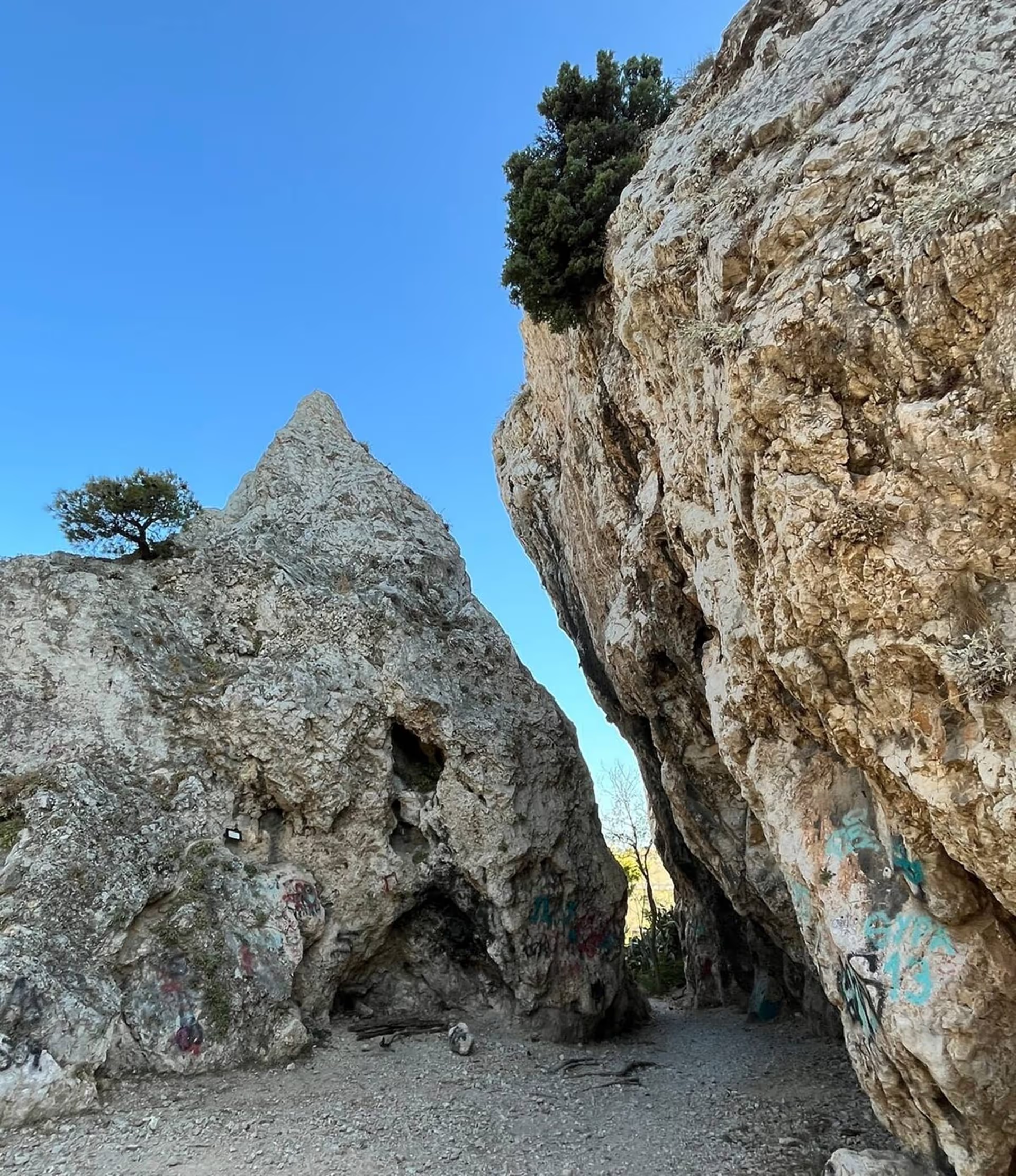
On the way up, we stop at Split Rock. It's a dramatic formation where the limestone has cracked apart to create a narrow passage — local climbers use it for bouldering. Most visitors walk straight past without knowing it's there. It's one of those hidden-in-plain-sight spots that Athens does better than any city I know.
The summit is hard to oversell. 360 degrees. The Acropolis sits to the southwest with Philopappos Hill just beyond it — you can see exactly where we're headed next. Piraeus port stretches south, ships moving in and out. Aegina, Agistri, Salamina clearly visible on the water. Three mountain ranges frame the basin to the north and east. I point out all of it — landmarks, stories, how this city fits together geographically. It's one thing to look at a view. It's another to understand what you're looking at.
The descent takes a different route. This is where I show you the hidden "balcony" — an unmarked lookout with what many consider the most unique view of the Acropolis in Athens. Not on any map. Not signposted. You'd never find it on your own.
The Journey Between: Crossing the City
The walk between the two hills is part of the experience, not just a transfer. You will pass through some of Athens' most interesting neighbourhoods, areas that most tourists never see because they stick to the Plaka and Monastiraki circuit. George uses this section to show you a different side of the city. Real Athens, the one that locals actually live in.
This is also the recovery section. After the intensity of the Lycabettus climb, the flat walk through the city gives your legs a chance to reset before the second ascent. George sets a relaxed pace here. There are stops for water, for photos, for quick stories about the streets you are passing through. It is a natural breather built into the tour.
For anyone interested in off-the-beaten-path Athens, this middle section is full of discoveries. Street art, neighbourhood tavernas, quiet squares with old men playing backgammon under plane trees. These are the things to do in Athens Greece that never make the top ten lists, but they are often what people remember most vividly.
Hill 2: Philopappos Face to Face with the Acropolis
Philopappos Hill is a completely different proposition to Lycabettus. The climb is easier, the paths are wider, and the vegetation is greener and more varied. Ancient olive trees dot the slopes. Wildflowers appear in spring. The whole hill feels older, calmer, more connected to the ancient city that once surrounded it.
But the views are no less spectacular. Standing at the Philopappos Monument, a Roman-era marble tomb built for a Syrian prince who loved Athens, you are at almost exactly the same height as the Acropolis, directly opposite it. The Parthenon fills your field of vision. It is the single best face-to-face view of the monument, and at certain times of day the light on the marble is absolutely extraordinary.
The tour ends at the Acropolis Museum, placing you in the heart of the historic centre with the rest of the afternoon ahead of you. Many walkers head straight into the museum, visit the Acropolis itself, or wander into the Plaka for lunch. George will have recommendations for all of it. Check our where to eat in Athens guide for his personal picks.
Who This Tour Is For
This is the most physically demanding of the three tours. It covers 7.5km with 300m of elevation gain across approximately 12,000 steps over 2.5 hours. The terrain includes steep rocky trails, loose gravel, and some light scrambling on the Lycabettus ascent. Philopappos is gentler but still involves sustained uphill walking.
You do not need to be a serious hiker or an athlete. But you should be someone who exercises regularly and is comfortable walking for extended periods. If you go to the gym a few times a week, do regular walks or runs, or generally stay active, you will handle it. George has taken walkers aged 18 to 65 on this route and they have all completed it.but they were all reasonably fit.
This tour is particularly well-suited to couples and small groups of friends who enjoy being active together. It is also a favourite of solo travellers who want to push themselves and meet like-minded people. If you are the kind of person who would rather earn your view than take a bus to it, this is the experience for you.
7.5km
Total distance
300m
Total elevation gain
2.5 hours
Duration
Not sure if this is the right level? The Conquer Lycabettus tour covers one hill in 2.5 hours less and is a good way to test your legs first. Many walkers do Lycabettus on day one and come back for the full Hills Climb later in their trip.
Your Itinerary
Meet, greet and begin
Short introduction in front of three iconic buildings of Athens as we start the trek.
Quick photo stop at Split Rock
One of the true hidden gems of Athens, where local rock climbers come for practice.
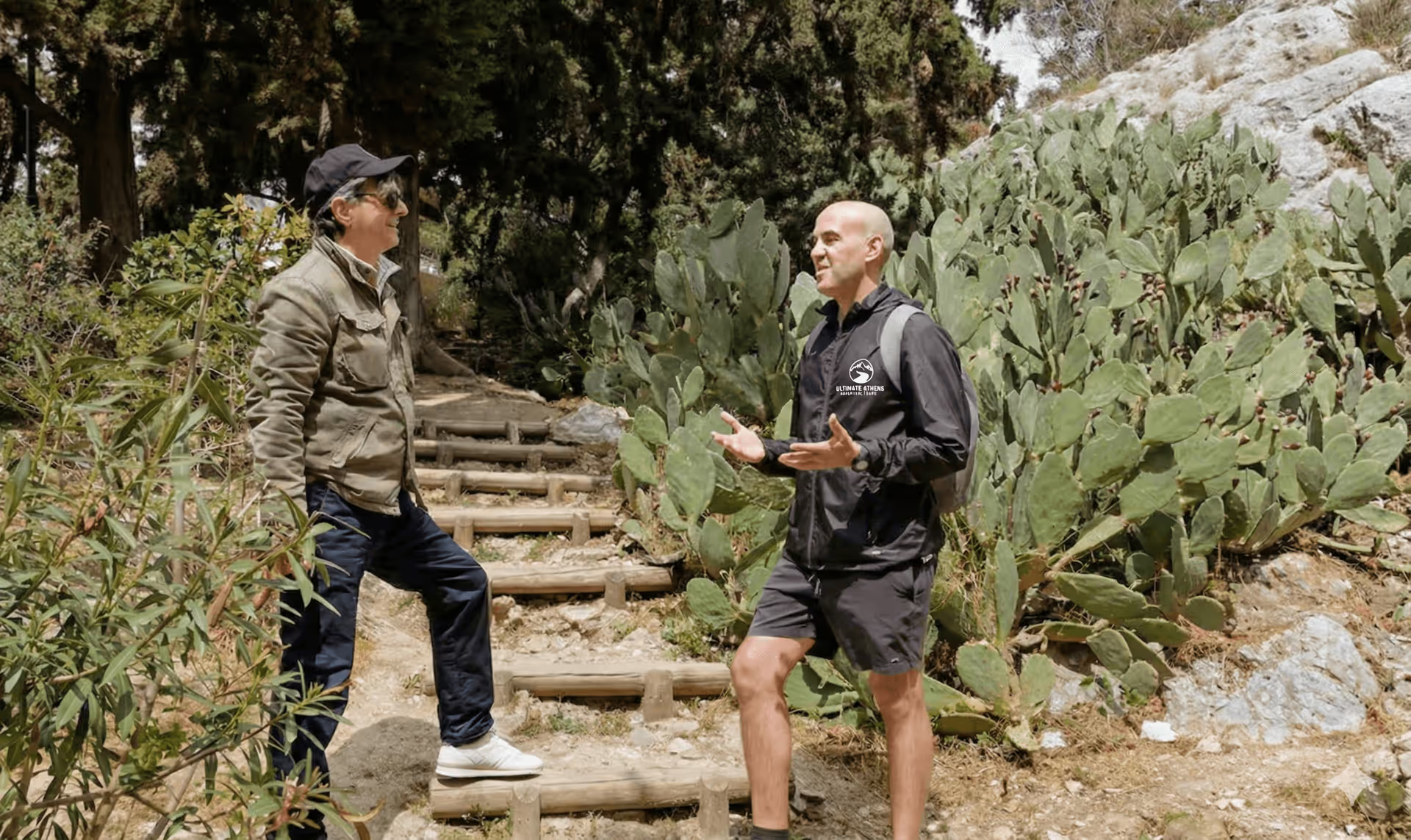
The ascent
Hiking up Mount Lycabettus along rugged terrain. The higher we go, the better the view gets!
Reaching the summit
After conquering Athens' tallest peak, you can now enjoy the breathtaking 360-degree views!

Descend through the green and city
The walk down Lycabettus offers a completely different view of the city and some of Athens' top landmarks.
Philopappou Hill
This hill is a much easier climb however offers surprisingly stunning city and sea views!
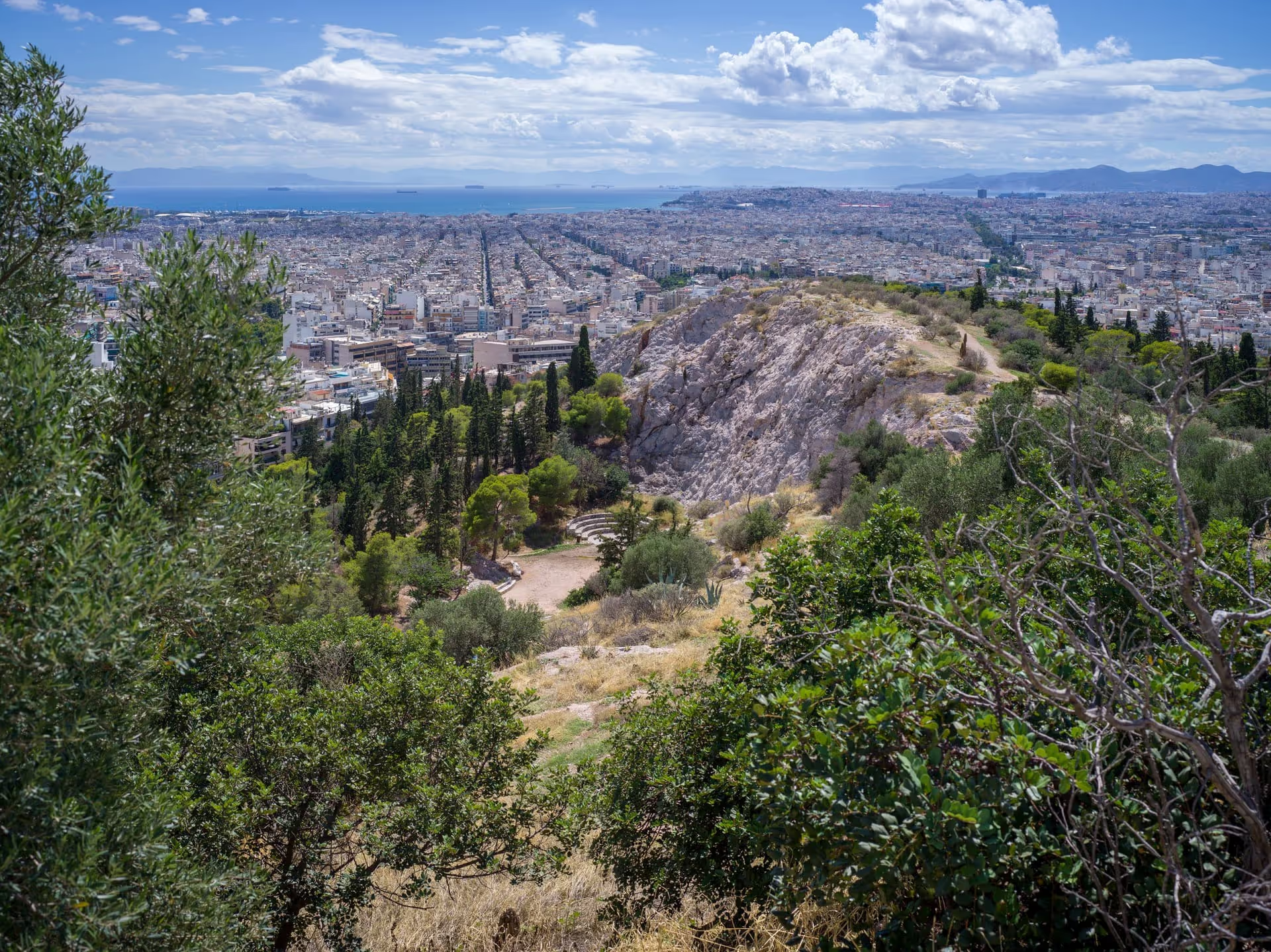
Savour the view
Final panoramic views before concluding at the Acropolis Museum.
What to Bring
This is the longest tour, so preparation matters a little more than the shorter experiences.
Proper trainers or hiking shoes with grip. The Lycabettus trails are rocky and uneven.
At least 1 litre, more in summer. There are limited refill opportunities between the two hills.
Essential from May to September. The upper sections of both hills have limited shade.
You will want photos from both summits — two of the best photo spots in Athens. The Acropolis view from Philopappos is unmissable.
Optional but recommended. A muesli bar or piece of fruit for the walk between hills keeps energy up.
Keeps your hands free on the steeper sections and carries your water and gear comfortably.
Meeting & End Points
Start
Vallianeio Megaron
Panepistimiou 32, Athens 106 79
2-minute walk from Panepistimio Metro (Red Line).use the National Library exit
End
Acropolis Museum
Heart of Athens' historic centre
Perfect position to continue exploring.the Acropolis, Plaka, and Monastiraki are all within walking distance
Questions About This Tour
How fit do I need to be for the Hills Climb?
Can I do both the Hills Climb and the Sunrise Hike?
Where does the tour end?
What should I bring?
How hot does it get in summer?
Is this tour suitable for children?
What happens if I cannot finish the tour?
Explore More Experiences
Looking for something shorter? Try one of these.
Want to read more about the hills first? Check out our full guides to Lycabettus Hill and Philopappos Hill, or browse our reviews to see what past walkers thought.
Ready for the Ultimate Challenge?
Two hills. 360-degree views. The best thing you will do in Athens.